When Concord’s Dr. John Cuming married Abigail Wesson of Lincoln in 1753, Abigail’s father gifted the couple a nine-year-old boy. The boy’s name, given him by his first enslaver, likely Chambers Russell of what Historic New England now calls the Codman Estate, was “Bristo.” For the next quarter of a century, Bristo was owned by the Cumings in this house located on the edge of the Concord Rotary.
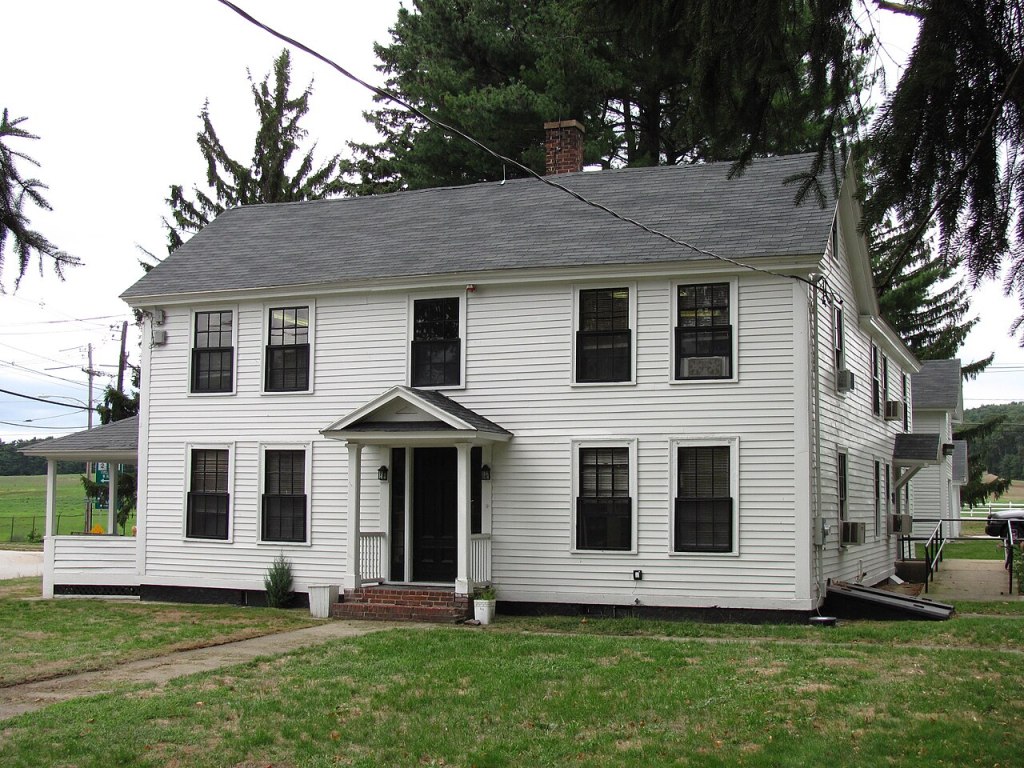
Enslavement meant that Bristo was separated from his family. He was never allowed to learn to read or write. He was not given a last name and thus any civil status. His labor was stolen from him.
By these means, Dr. Cuming was able to pursue a lucrative career as a medical professional and land speculator. The town of Cummington, Massachusetts, is named after him.
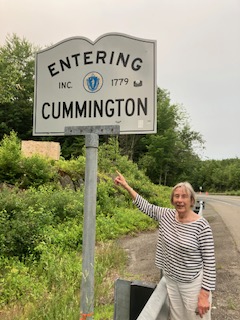
Cummington, Massachusetts
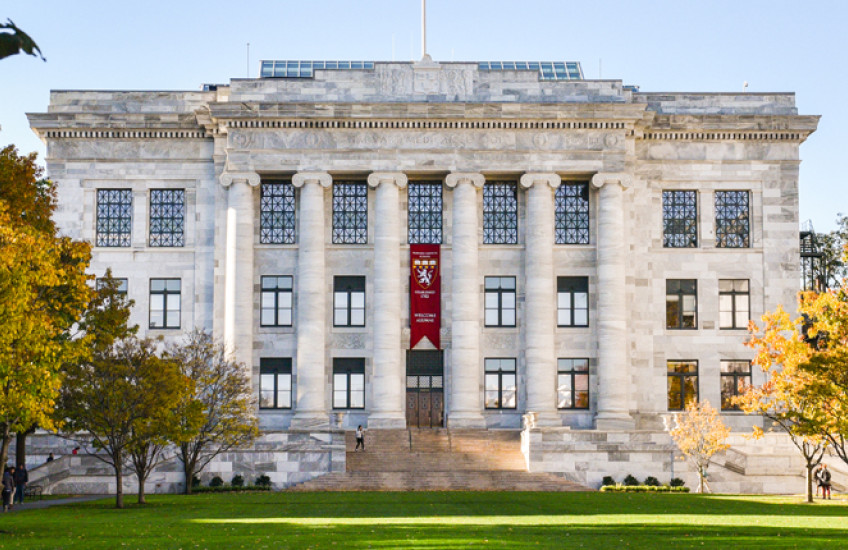
Upon his death, Dr. Cuming was able to leave Harvard University a sizeable amount of money, one of four bequests that were used to start Harvard Medical School.
And that’s just the beginning of the story.
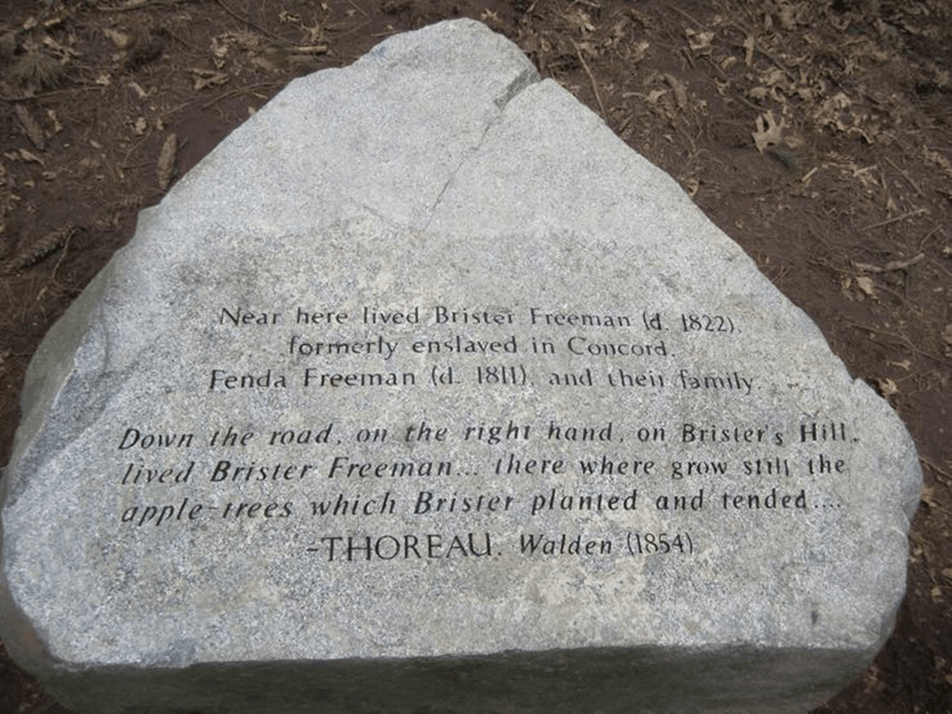
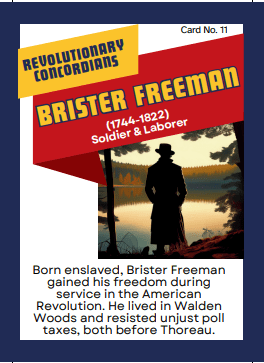
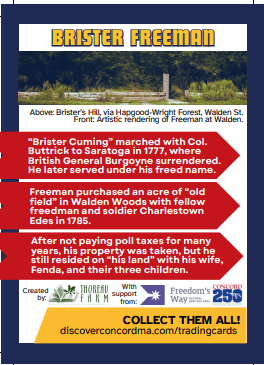
Bristo took his freedom by serving in the Revolutionary War, enlisting first under Cuming’s last name and then under the name “Brister Freeman” in an announcement of his determination to make his own way, which he did by anchoring a community of other formerly enslaved people in Walden Woods and resisting unfair poll taxes, both before Henry David Thoreau.
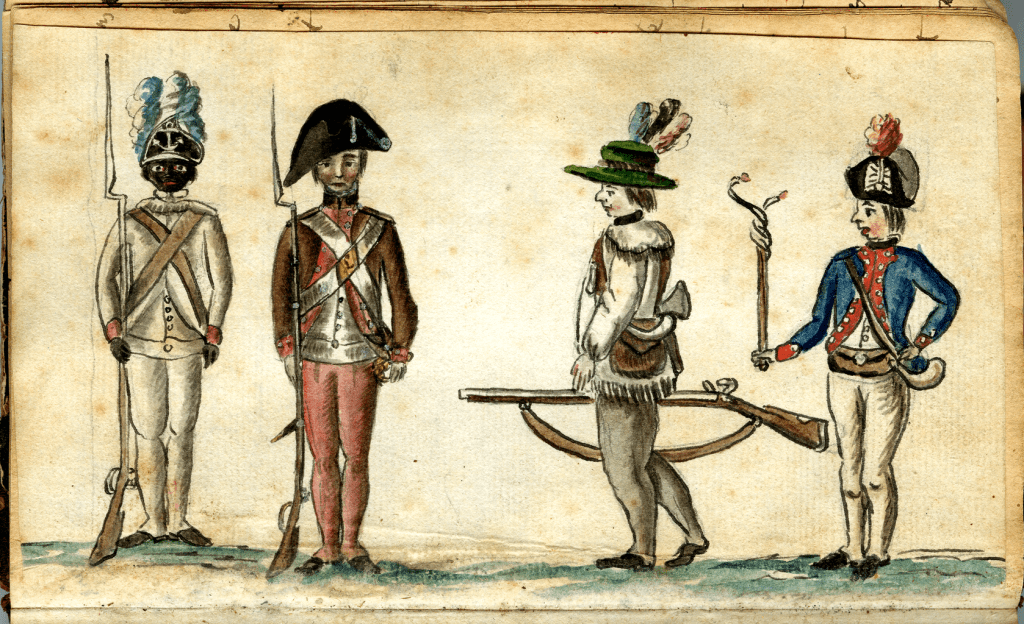
The Diversity of America’s Patriots: A Black soldier from the First Rhode Island Regiment, a New England militiaman, a frontier rifleman, and a French officer
Public domain, via Wikimedia Commons
In his classic book Walden, Thoreau would famously describe the site of his own cabin vis-à-vis the cellar holes and other signs left in the landscape by Freeman and the other formerly enslaved people who had preceded him at what is now one of the world’s most revered green sites.
The expansion of the rotary is an opportunity to remake a house currently being used by Northeastern Correctional Center as an office building into the Freeman Cuming House in honor of a child who, despite being robbed of everything, grew up to be a patriot, a community leader, a pursuer of justice, and a founder by proxy of one of the world’s most preeminent medical schools.
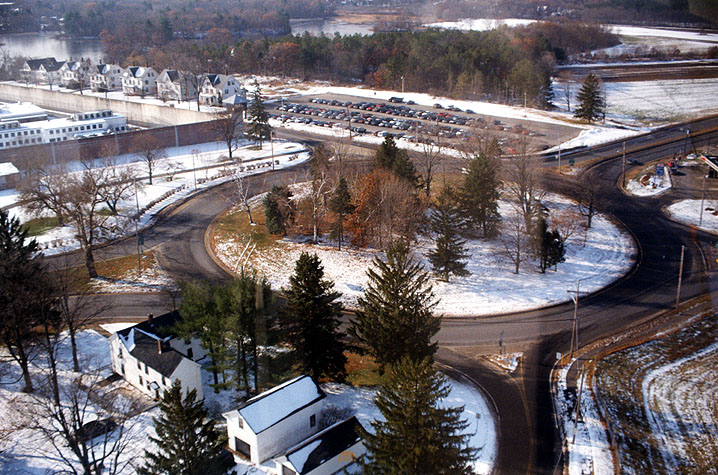
Might the house be repurposed as a museum, a community center, or something besides an office building? And if the house needs to be moved due to the rotary expansion, where should it go? Which organization should be tapped to take over whatever new role the community can envision for this important heritage site? These are important questions for discussion.
 The Freeman Cuming House